

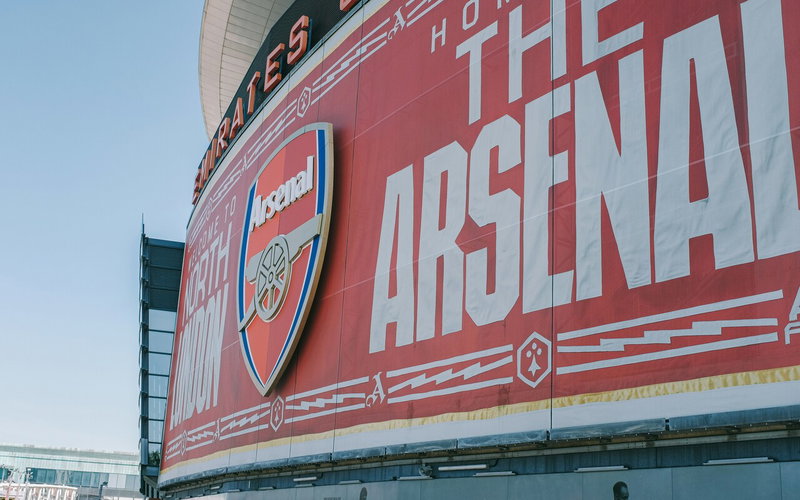
Success in the league now depends on details rather than any single dominant trait. Margins and adaptability can decide which teams remain contenders until the final day. Arsenal’s campaign may ultimately be shaped by how they handle the challenges faced by every team competing at this level.
This season, Arsenal’s pursuit of the title is shaped by the need to master squad intricacies rather than just relying on standout strengths. Each match can turn on factors such as player availability, rotation, and game management, making precision increasingly important. As teams compete for position, premier league betting odds may change significantly due to an injury, a rotated line-up, or tactical changes. Understanding the underlying influences that support or threaten Arsenal’s aspirations provides clearer insight into what separates a short-term run from a sustained title push.
Squad depth and role coverage in demanding periods
Competing for the title demands more than a strong starting eleven. Arsenal’s ability to rotate players without a drop in performance tests the overall quality and readiness of the squad.
This season, depth is shown not just through numbers but versatility. Cover in key positions, particularly in midfield and defence, becomes especially important when dealing with injuries or suspensions. Well-prepared backup players help maintain structure and reduce tactical drop-off when first-choice players are unavailable.
Managers must trust all squad selections, ensuring role coverage is effective. Flexible options provide a way to adapt the team’s shape and style, which is crucial during congested fixture runs or against opponents with disruptive approaches.
The significance of fitness, availability and recovery
Maintaining player fitness can influence the rhythm and consistency of a title challenge. When a squad suffers multiple injuries, systems built on established partnerships may lose effectiveness, potentially exposing vulnerabilities in the defensive line or midfield.
Proactive fitness management covers not only treating existing issues but also managing workloads to prevent recurrence. Ongoing monitoring, timely substitutions, and data-led recovery protocols are central in protecting long-term contributors.
Consistent selection helps build trust and understanding among players. Extended spells with a settled line-up support tactical implementation and increase defensive stability.
Adapting tactically to different match situations
Title-chasing teams must handle a variety of tactical scenarios. Breaking down disciplined, deep-lying defences tests a team’s creativity and patience, while matches with higher turnovers require players to excel during transitions.
When leading late in games, the focus moves to control and compactness. In contrast, chasing deficits calls for calculated risk through tactical changes in formation or by introducing additional attacking options.
Facing opponents who dominate possession means concentrating on defensive shape and counterattacking opportunities. In these situations, decision-making under pressure can be the difference between a draw and a crucial win.
No margin for error in decisive rival fixtures
The outcome of head-to-head matches between title contenders often becomes the most influential of the season. These “six-pointer” encounters can cause momentum and confidence to shift dramatically based on a single result.
For Arsenal, composure, preparation, and in-game decisions are particularly significant in high-pressure environments. Both on the touchline and on the pitch, tactical adjustments, mental resilience, and the ability to exploit small opportunities separate the strongest performers. These moments can show how pivotal such games are in determining who stays in the title race.
Managing the scrutiny and intensity of these matches tests a squad’s maturity. Teams able to navigate these fixtures gain not only points but also psychological advantages that might prove influential as the campaign progresses.
Managing fixtures, travel and consistency
Success rarely comes without challenging scheduling. For clubs competing in Europe, midweek fixtures disrupt the calendar and demand careful squad management and a focus on physical recovery.
Travel adds to fatigue, impacting performances in subsequent games. Well-planned rotation is essential, as is understanding which core players can sustain involvement during intense periods without risking injury. Managers who carefully balance league and cup responsibilities help maintain competitiveness on all fronts.
Squad adaptability helps maintain consistency despite fixture congestion. Adjusting substitutions and tactical plans to suit the opposition, and proactively limiting risks of performance dips, can prevent dropped points at key moments.
Controlling away-day dynamics and maintaining home form
In a tight title race, reliability away from home is just as important as maximising home advantage. Game management, a strong defensive foundation, and attention to set-pieces all support gaining points in unpredictable environments.
Lapses in concentration or overconfidence can quickly threaten leads during difficult away fixtures. At home, controlling rhythm and intensity from the outset helps Arsenal maximise results in matches they are expected to dominate.
Effective preparation and mentality away from home build resilience. Clean sheets, reduced errors, and the ability to manage games late are factors that can turn single points into wins.
Decisive impact of set pieces at both ends
Set pieces can often decide closely contested matches. Well-practised routines in both attacking and defensive situations provide opportunities to score goals or preserve important leads under pressure.
Consistent execution and focus enable players to deliver defensive clearances and effective attacking deliveries. Taking advantage of set plays is particularly valuable when open-play opportunities are limited, and contributes to hard-fought wins that can prove decisive during a campaign.
Reducing vulnerability from opposition set pieces also helps underpin defensive stability. Sides that maintain discipline and anticipation in these moments are less likely to concede unnecessary goals throughout the season.
The swing factors defining title sustainability
Arsenal’s prospects of sustaining a title challenge may rely on the ability to excel in situations that require depth, composure, and tactical versatility. Reliable cover in all positions, sustained fitness among key players, and maximising results in fixtures against direct rivals can be the factors that shape a strong campaign.
If the club continues to align these key elements in the upcoming weeks, Arsenal can remain firmly in the race for the league’s top position as the season continues.
Image Source: unsplash.com